
A planetary nebula is a glowing, expanding shell of ionized gas and dust ejected from a low-to-intermediate mass star (like our Sun) during the final stages of its life. Despite their name, they have nothing to do with planets; they are short-lived, beautiful cosmic clouds created when a red giant sheds its outer layers, leaving behind a hot, dense core that becomes a white dwarf.
Key Facts About Planetary Nebulae
Formation: As a star with a mass between 1 and 8 solar masses runs out of fuel, it expands into a red giant and ejects its outer layers, which are then illuminated by the remaining core.
Appearance: These nebulae appear in diverse, often symmetrical, shapes, including spheres, rings, and complex, bipolar forms.
Lifespan: They are relatively short-lived, lasting only about 20,000 years before the gas dissipates into the interstellar medium.
Misnomer: 18th-century astronomers, such as William Herschel, mistakenly thought these round, green-blue objects resembled planets when viewed through early telescopes.
Composition: They consist of gas ionized by ultraviolet radiation from the central, dying star, causing them to glow.

Sh2-274 The Medusa Nebula
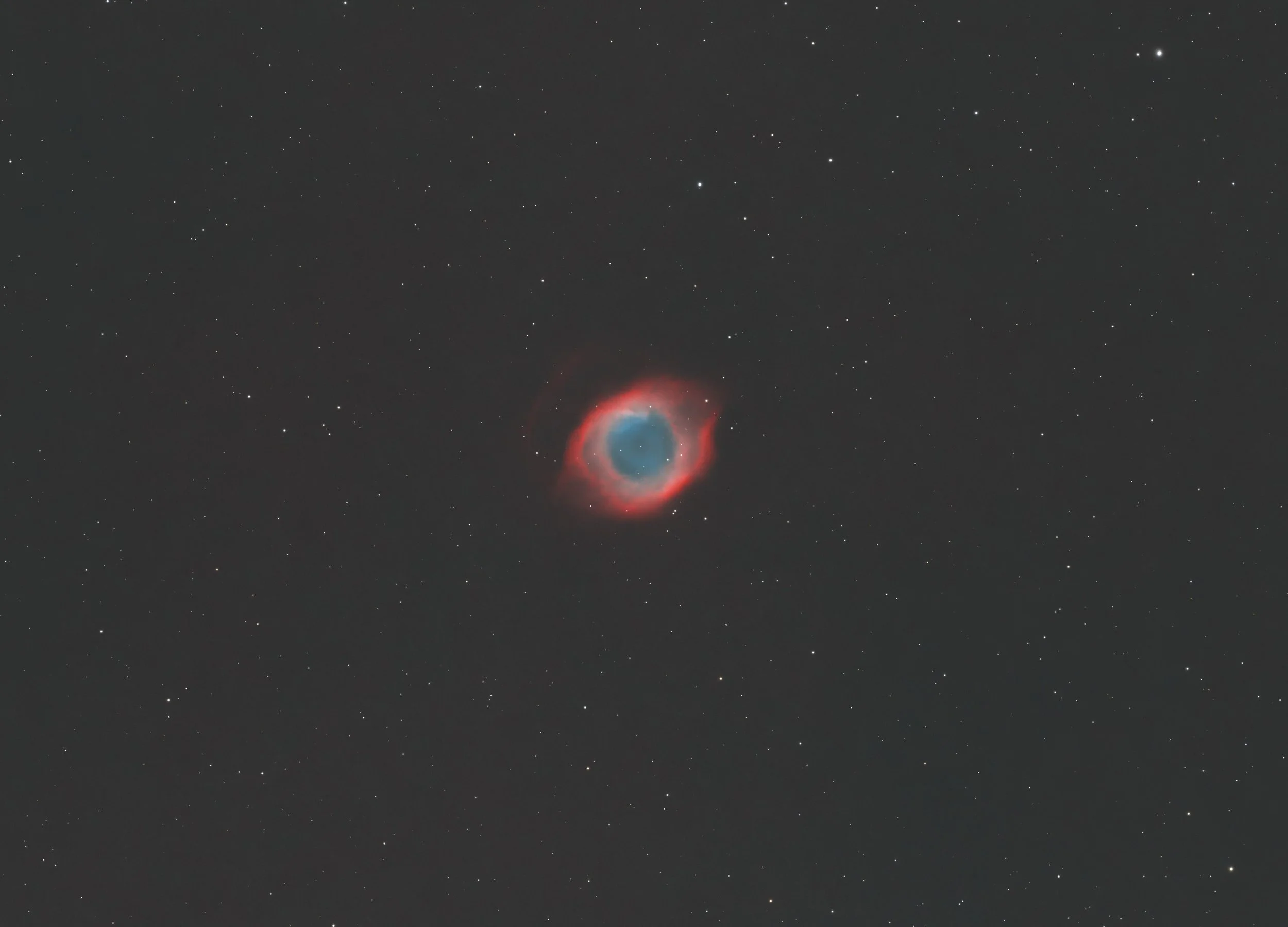
NGC 7293 The Helix Nebula
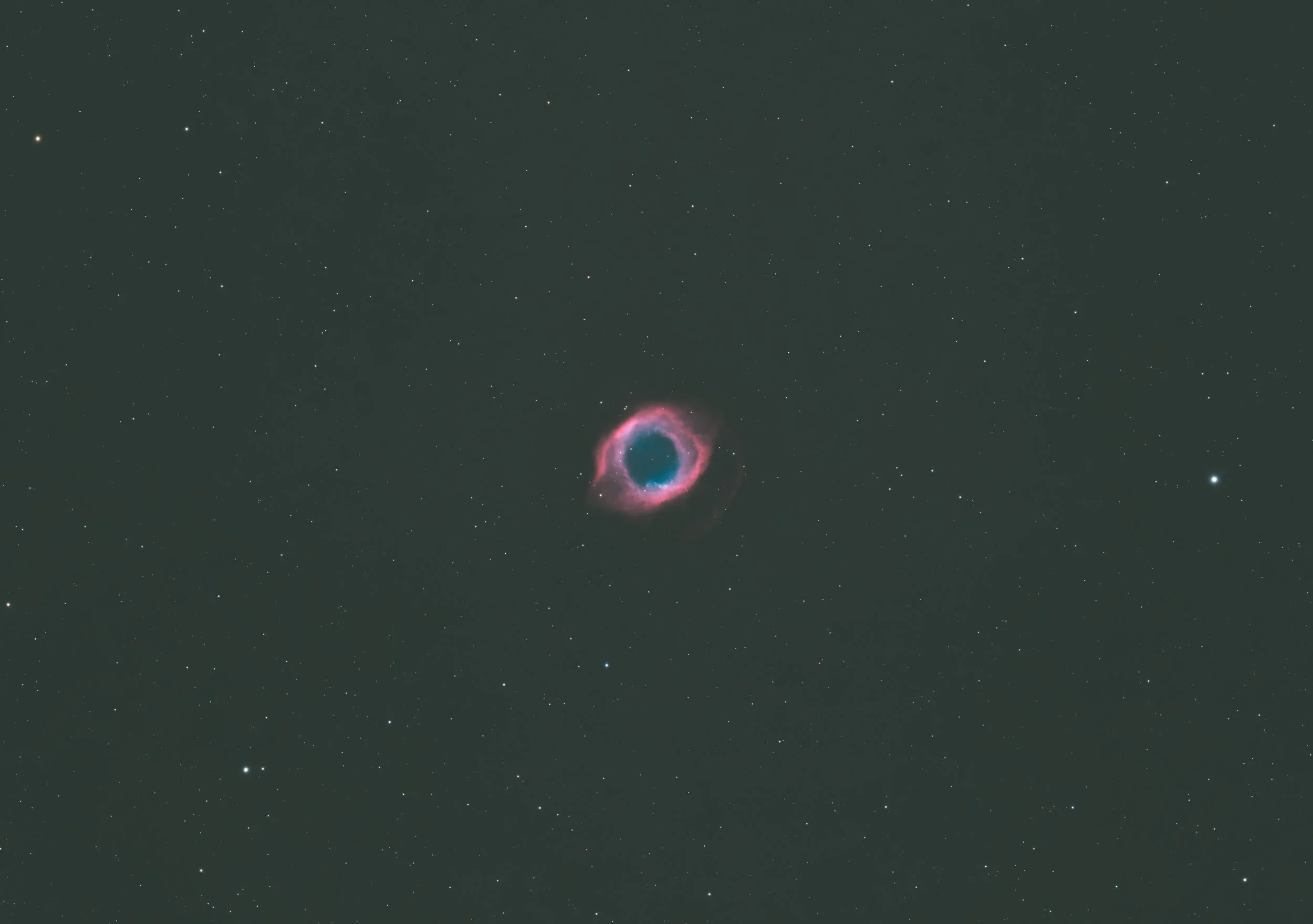
NGC 7293 The Helix Nebula